Industry & Application Solutions
Explore innovative 3D printing applications across industries
Automotive
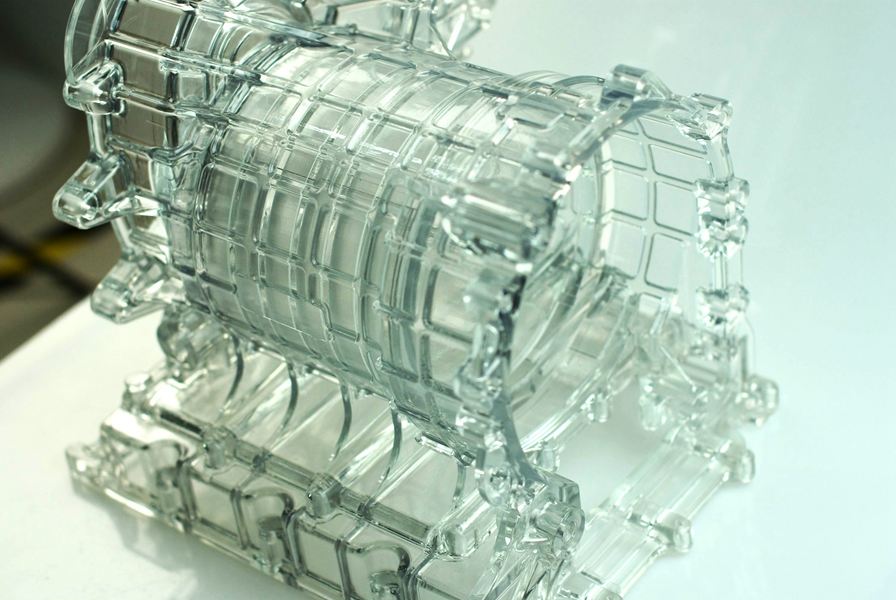
Manufactured by SLA with fine sanding and polishing, then sprayed with a weather-resistant clear coat to form a transparent shell. The customer chose this process to observe the internal lubrication state through the transparent housing.
Aerospace
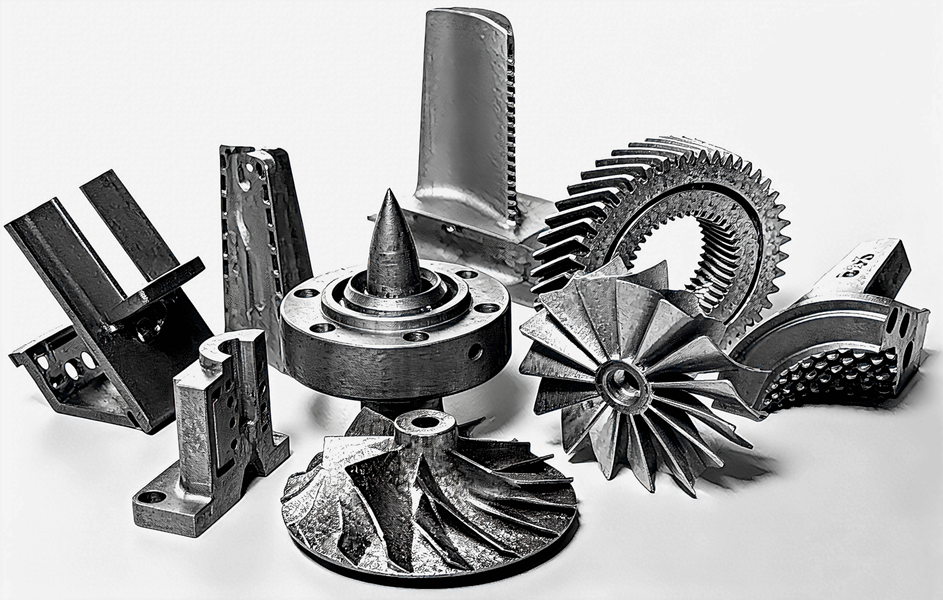
3D printing is profoundly reshaping aircraft engine manufacturing, with its core advantage lying in the integrated forming of complex structures and extreme lightweighting. Through metal additive techniques such as laser powder bed fusion, it can directly produce internal flow channels, topology-optimized structures and integrally bladed disks that cannot be made by conventional processes, reducing part count by over 40%, structural weight by 25% and fuel consumption by 20%-40%. For example, China's first fully 3D-printed turbofan engine has passed ground testing; its key components were printed with high-temperature alloys, overcoming deformation and cracking challenges and verifying reliability in complex high-altitude environments. The technology not only greatly improves thrust-to-weight ratio but also shortens R&D cycles by over 30%, providing core support for next-generation high-performance aviation power.
Industrial Manufacturing
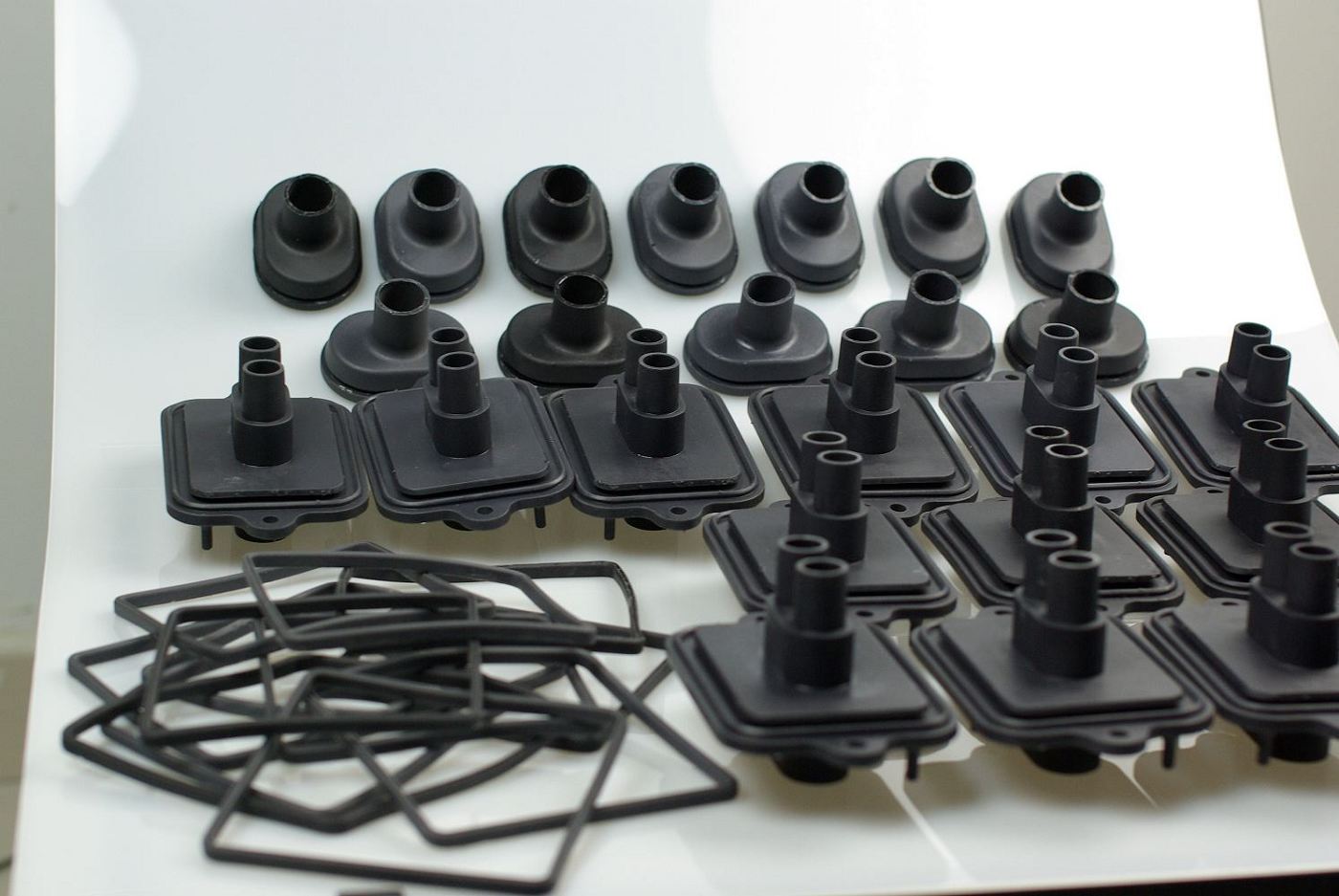
Seal products produced using SLA for prototypes and silicone mold casting for batch replication.
Research
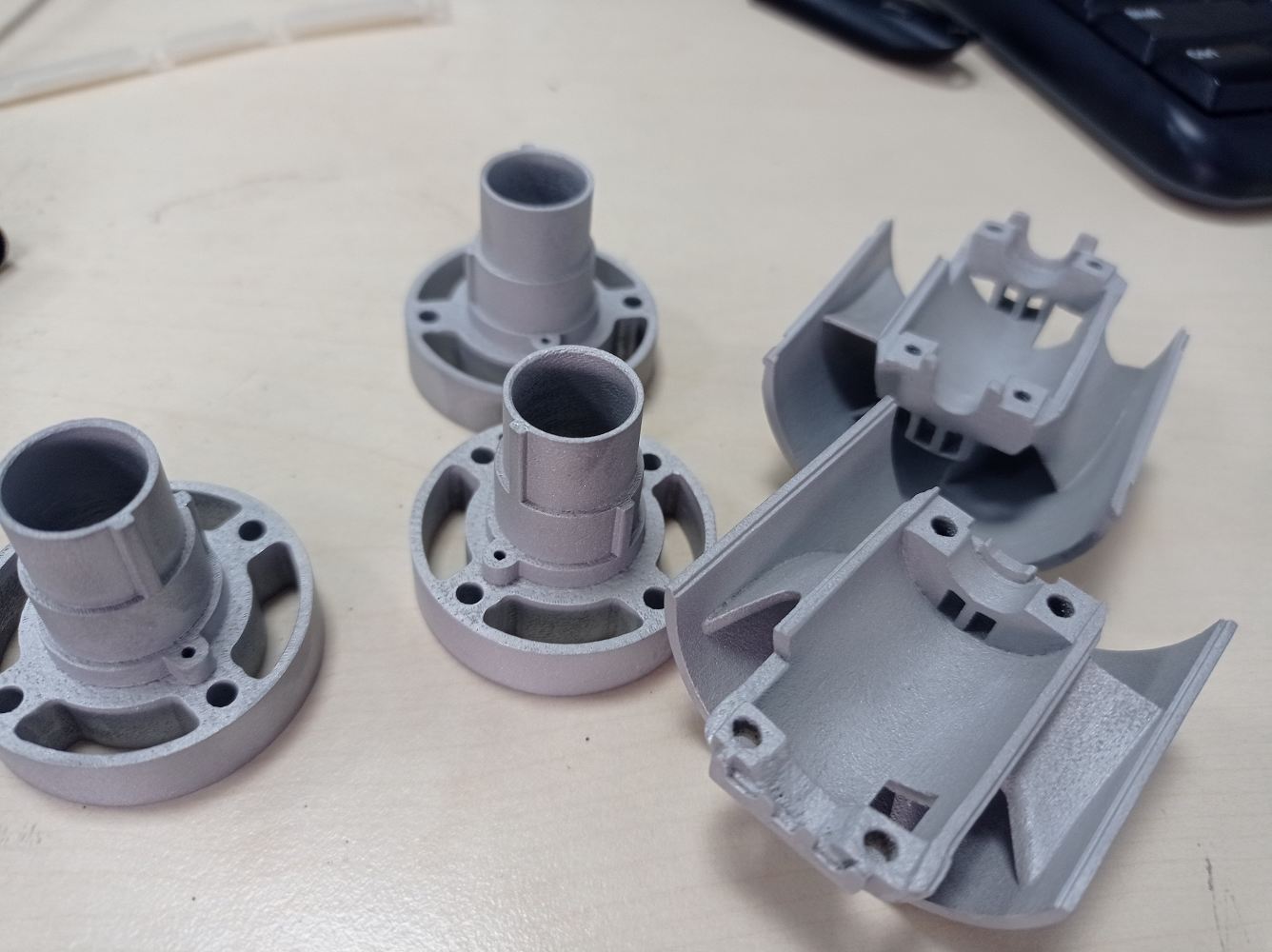
Aluminum alloy parts.
Education
-

Medical
A medical device used to treat scoliosis.
Jewelry
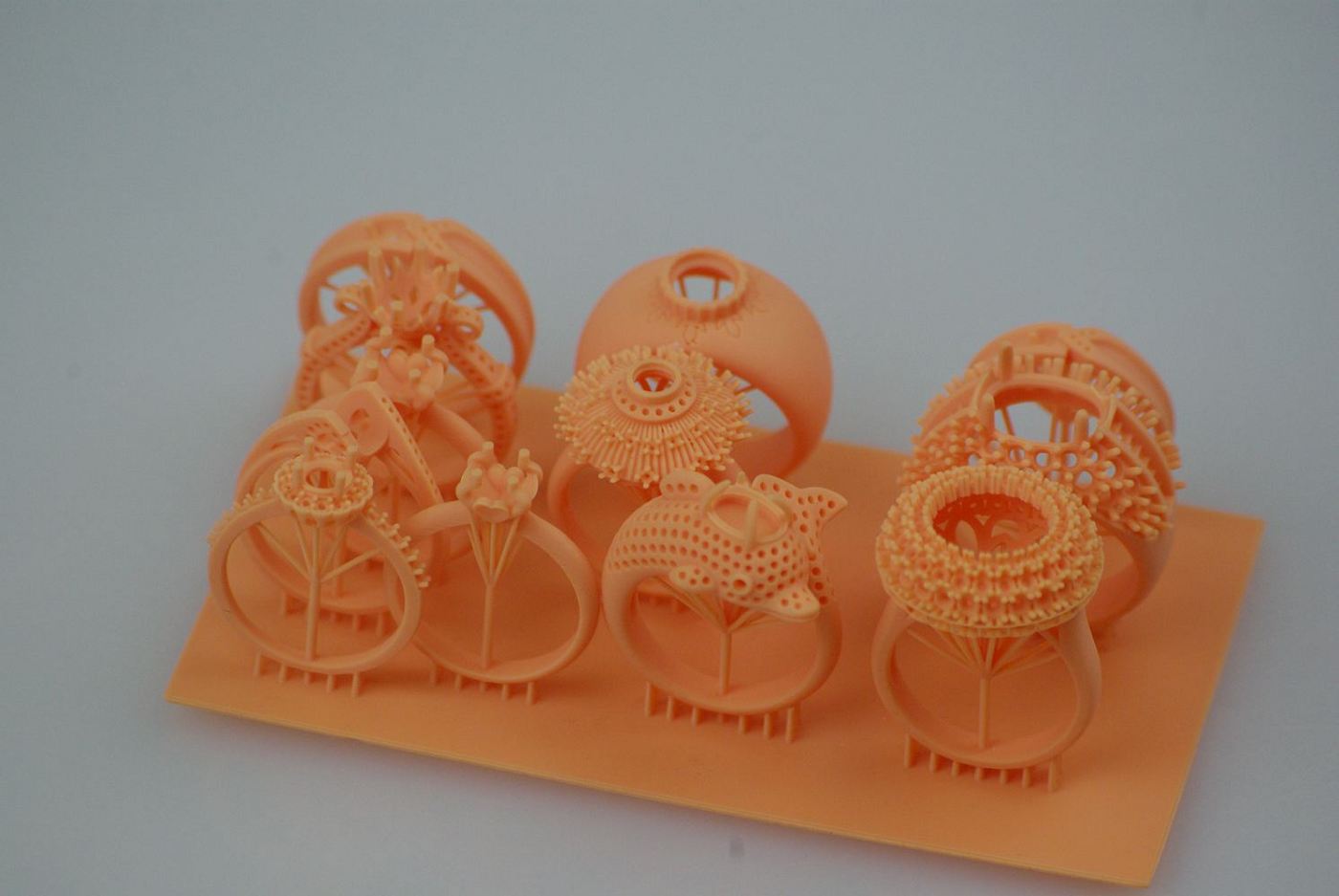
Manufactured by DLP using HT180 high-temperature rubber-mold resin.

Art
SLS process with painted exterior.
Others
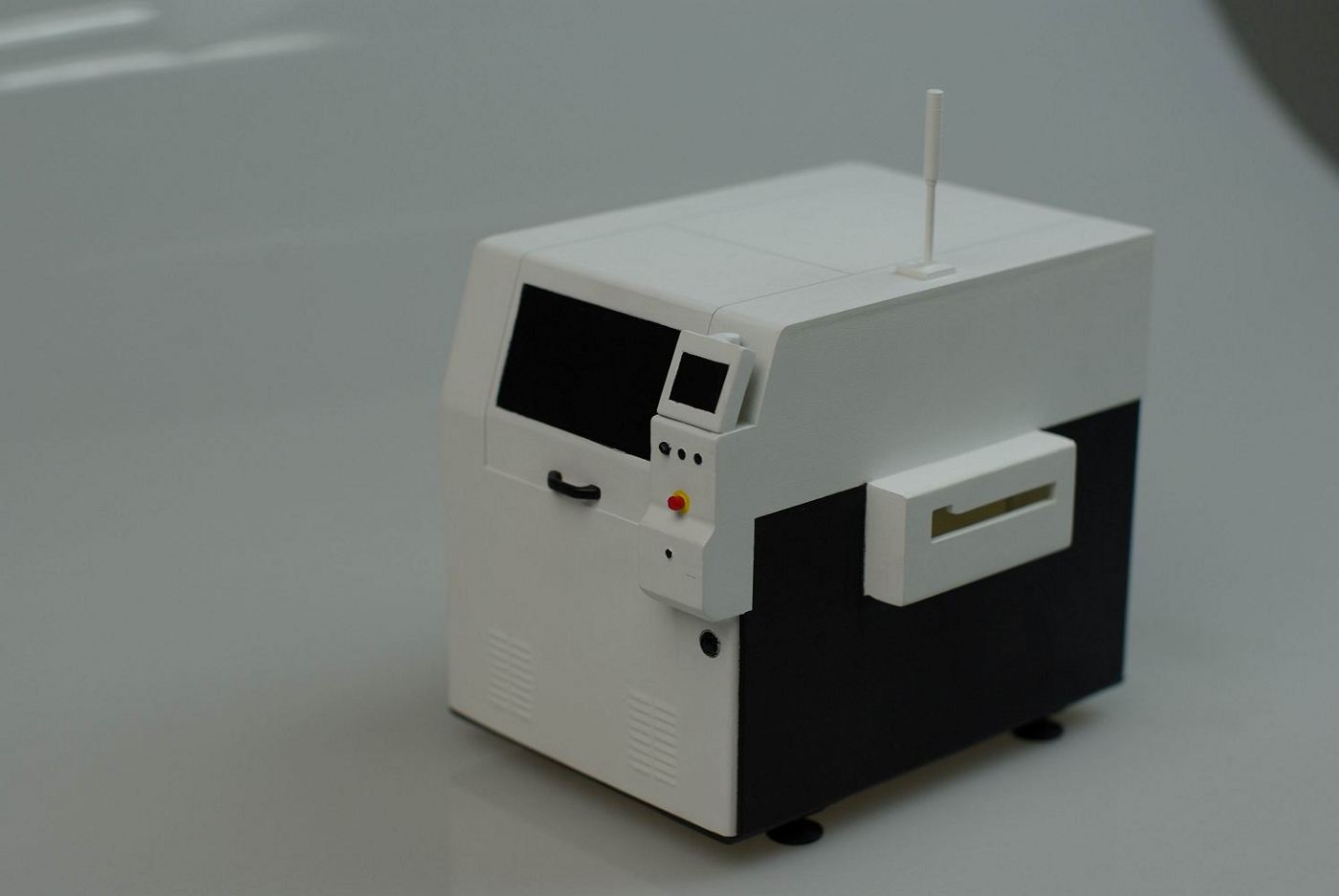
Manufactured by resin process with painted surface.